Active
Mechanisms of Adherence
MoA
An adaptive mHealth intervention designed to test the goal maintenance hypothesis.
Cognitive and Mobile Phenotyping
Promoting cognitive and brain health throughout the lifespan
Our mission is to form a better understanding of the dynamic processes that shape our cognitive and brain health.
Design new tools and methods for monitoring and improving brain health in adults of all ages
Advance theory and practice through novel intensive longitudinal and ambulatory study designs
Transform insights into novel mHealth interventions and clinical digital health integrations
Our research spans multiple domains of cognitive and brain health, with a focus on real-world assessment and digital technologies.
We study how neurocognitive aging shapes our ability to control our thoughts, emotions, and behavior. We leverage insights from our basic research on self-regulation and executive control to inform the design of novel brain health promoting interventions.

An over-reliance on conventional assessment methods has limited our understanding of how risk for neurodegenerative disease evolves over our lifespans. High-frequency assessments offer the opportunity to examine how dementia risk and protective factors are transmitted into the everyday lives of individuals.

High-frequency assessment and digital health intervention tools have a lot to offer patients at risk for negative cognitive outcomes. We work with clinicians to design novel studies and help unlock insights into symptom dynamics and patient lived experience.

An overarching goal of our lab is to design and implement technology-driven solutions to challenges in healthy neurocognitive aging and dementia risk reduction. We are part of multiple teams at the forefront of innovations in mobile cognitive assessment, mHealth intervention design, and scalable research technology.
We leverage cutting-edge methods to understand cognition in real-world contexts, bridging the gap between laboratory findings and everyday life.
Capturing real-time experiences and behaviors in natural settings using mobile devices for high ecological validity.
Measuring cognitive performance outside the lab using ultra-brief smartphone tasks to understand everyday cognition.
Leveraging smartwatches and fitness trackers to capture physiological and behavioral data continuously and passively.
Mapping computational insights onto brain imaging and blood-based biomarkers.
Advanced cognitive neuroscience methods for characterizing brain structure and function.
Bridging basic research and clinical applications to create tools that improve real-world patient outcomes.
Explore our ongoing and completed research initiatives in cognitive and mobile phenotyping.
MoA
An adaptive mHealth intervention designed to test the goal maintenance hypothesis.
PHIAT
An adult lifespan EMA study examining dynamics of executive control, self-regulation, and health promoting behavior in everyday life.
LDP
A scalable technology-driven prospective cohort study of dementia risk and protective factors.
Meet the research team helping to advance our mission.
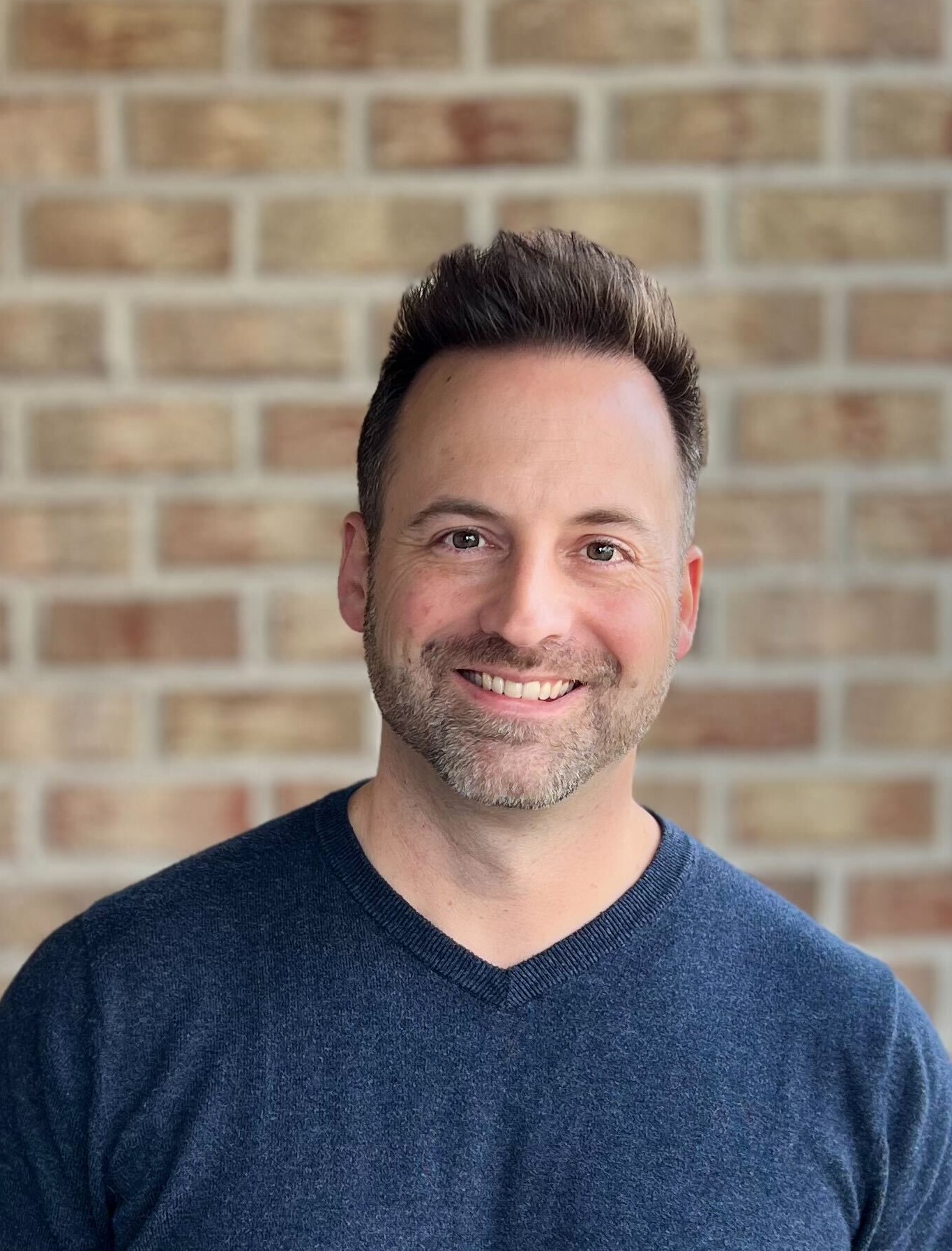
Director
PSU COM Neurology
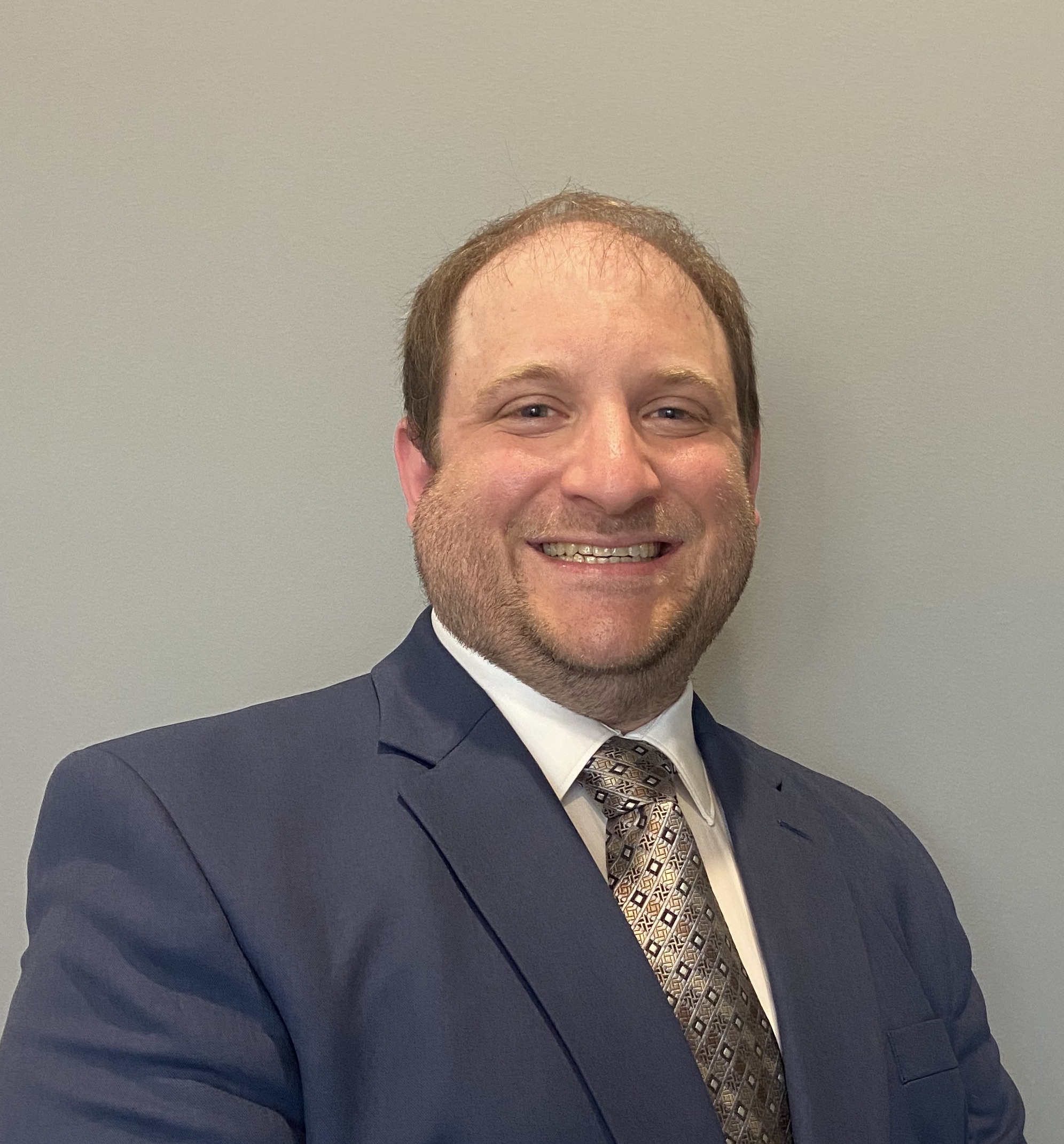
Data Scientist
PSU COM Neurology

Research Program Manager
PSU Center for Healthy Aging

Research Project Manager
PSU Center for Healthy Aging

Research Project Manager
PSU Center for Healthy Aging

Research Project Manager
PSU COM Neurology
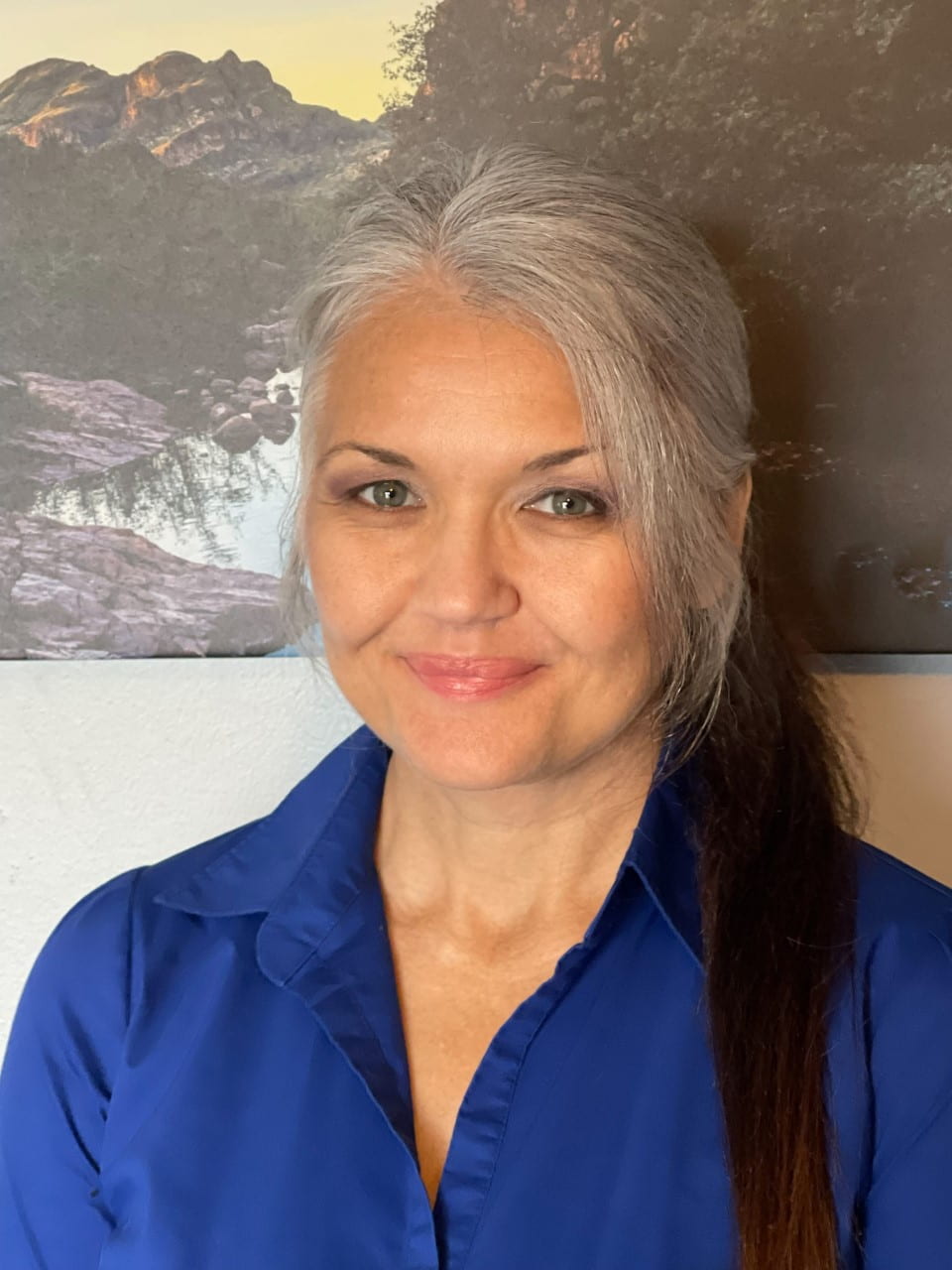
Research Coordinator
PSU COM Neurology
Research Coordinator
PSU COM Neurology
Papers, preprints, and other scholarly outputs from our research.

Hakun, J.G., Elbich, D.B., Alwerdt, J., Tate, A., Coyl, J., Kanski, B., & Qiu, T
JMIR Research Protocols, 2025
Brearly, T., Elbich, D.B., & Hakun, J.G
The Clinical Neuropsychologist, 2025

Katz, M.J., Johns, T., Martin, M.M., Burgess, A., Claris, V., Volda, J.G., Roque, N., Shaw, P.A., Hyun, N., Hakun, J.G., Pavlovic, J.M., Wylie-Rosett, J., Sliwinski, M.J., Mossavar-Rahmani, Y
Alzheimer's & Dementia: Translational Research & Clinical Interventions, 2025

Mossavar-Rahmani, Y., Hyun, N., Hakun, J.G., Katz, M.J., Pavlovic, J.M., Yang, J.B., Wylie-Rosett, J., Hebert, J.R., Sliwinski, M.J., & Shaw, P.A
The American Journal of Clinical Nutrition, 2025

Yang, C.H., Lee, J., Prine, H., Coffman, D., Jingkai, W., Hedeker, D., & Hakun, J.G
The Journals of Gerontology, Series B: Psychological Sciences and Social Sciences, 2025
Oravecz, Z., Vanderkerckhove, J., Hakun, J.G., Kim, S.H., Katz, M.J., Wang, C., Lipton, R.B., Derby, C.A., Roque, N.A., & Sliwinski, M.J
The Journals of Gerontology, Series B: Psychological Sciences and Social Sciences, 2025
A deeper dive into our research, methods, and findings.

The "How We Built the CAMP Neurolab Website" article was written by Claude Code. In this article, I share more background about the website build from my perspective as a user of agentic AI tools for vibe coding.

A cognitive neuroscientist with limited fluency in programming languages built a full-stack research lab website from scratch using Claude Code. Here's the entire story — from the first prompt to a live AWS deployment — and what it reveals about the future of AI-assisted development.
Announcements and other updates from CAMP Neurolab.

Jessie Alwerdt promoted to Research Program Manager at Penn State Center for Healthy Aging
Hello world! We've completed migration of our website from the WordPress version to the custom dynamic web app you're looking at here.